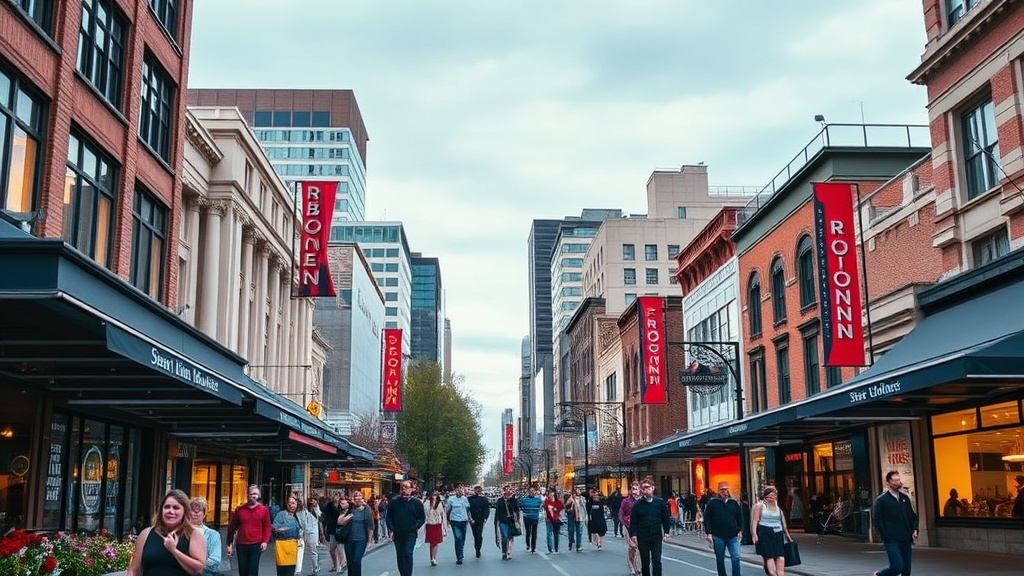
Robson Street Vancouver: Your Complete Guide to Shopping, Dining & Strolling
What Makes Robson Street Vancouver's Premier Shopping Destination?
Robson Street delivers the densest concentration of international flagship stores, Canadian boutiques, and locally owned retailers anywhere in British Columbia—all packed into eight walkable blocks between Burrard and Jervis Streets. This post covers where to shop, what to eat, and how to experience the street like someone who actually lives here. You'll find specific store recommendations, restaurant picks that locals frequent, and practical tips for parking, timing, and avoiding tourist traps. Whether you're planning a day trip, considering a move to the West End, or just want to shop somewhere that isn't a mall, this guide has you covered.
Where Exactly Is Robson Street and How Do You Get There?
Robson Street runs east-west through downtown Vancouver's West End neighbourhood, stretching from BC Place Stadium at Beatty Street all the way to Lost Lagoon in Stanley Park. Most visitors focus on the central stretch between Burrard and Jervis—this is where the flagship stores, restaurants, and densest foot traffic cluster.
Getting here is straightforward. The SkyTrain's Burrard Station drops you at the eastern end of the main shopping strip. From there, it's a flat, easy walk west. The 5 Robson bus runs the entire length of the street if your feet get tired (and they might). Here's the thing about driving—parking is expensive and scarce. The City of Vancouver operates pay parking along Robson itself, but spots fill by 10 AM on weekends. Your better bets are the lots under the Vancouver Public Library (350 West Georgia) or the Robson Public Market area (corner of Robson and Richards). Expect to pay $3-4 per hour, more during special events.
Cycling? The Mobi bike-share system has docks every few blocks. The separated bike lane on nearby Dunsmuir Street runs parallel and offers a safer east-west route if you're on two wheels.
What Shops and Stores Are Actually Worth Your Time?
Robson Street packs over 200 retailers into its core blocks. The mix tilts toward international fashion brands—Zara, H&M, Aritzia, Lululemon (which started in Vancouver, after all)—but dig deeper and you'll find local gems that justify the trip.
For menswear, Harry Rosen anchors the luxury end with Canadian and Italian tailoring. Across the street, Spank stocks streetwear you won't find at Pacific Centre—think Japanese brands and limited sneaker drops. Women looking beyond fast fashion should hit Oak + Fort for minimalist Vancouver-designed pieces or One of a Few on nearby Water Street (worth the short walk) for curated independent labels.
The catch? Robson has chain-store density that rivals Toronto's Bloor Street or Montreal's Sainte-Catherine. That isn't necessarily bad—you'll find everything you need in one walk—but don't expect quirky, neighbourhood-shop character throughout. The local flavour concentrates at the western end, near Denman Street, where independent grocers, bookshops, and consignment stores take over.
Robson Street Shopping Comparison
| Store/Area | What You'll Find | Price Range | Best For |
|---|---|---|---|
| Aritzia ( flagship) | Canadian women's fashion, elevated basics | $80-$300 | Workwear, quality staples |
| Indigo (Robson) | Books, gifts, home goods | $15-$100 | Gift shopping, magazines |
| Muji | Minimalist Japanese housewares, stationery | $5-$80 | Organizational items, gifts |
| Robson Street (Burrard to Thurlow) | International fast fashion, flagship stores | $30-$200 | Trendy clothes, one-stop shopping |
| Robson Street (Thurlow to Denman) | Local boutiques, grocers, services | Varies | Unique finds, neighbourhood feel |
Worth noting: many Robson retailers offer price matching with their online stores. Don't hesitate to ask—Vancouver's retail competition is fierce, and staff often have discretion to match or beat web prices.
Where Should You Eat on Robson Street?
The dining scene spans $4 banh mi to $200 tasting menus. Robson Street earned its reputation as Vancouver's ramen row during the 2010s—Kintaro, Motte, and Marutama still draw lines for good reason. That said, the street's food story runs deeper than noodles.
For breakfast, Nelson the Seagull (technically on Carrall, but steps from Robson's eastern end) bakes sourdough in-house and serves the best avocado toast in the neighbourhood. Caffè Artigiano on Robson and Thurlow pulls reliable espresso and has patio seating for people-watching.
Lunch options explode. Japadog—the Japanese-hot-dog fusion cart turned permanent kiosk—remains a tourist favourite that locals actually eat at too. The Terimayo (teriyaki sauce, mayonnaise, seaweed) sounds weird. It works. For something lighter, Tractor Everyday Healthy Foods serves grain bowls and salads that don't taste like punishment.
Dinner is where Robson competes with Vancouver's best dining streets. Kissa Tanto (on the edge of Chinatown, two blocks east) fuses Italian and Japanese in a space that feels like 1960s Tokyo via Rome. Saku on Robson does Japanese pork cutlet—crispy, juicy, comforting. Joe Fortes at Thurlow has been serving seafood and oysters since 1985. It is expensive. The patio is unbeatable on a sunny afternoon.
Happy hour runs aggressively competitive here. Most restaurants between Burrard and Bute offer discounted drinks and appetizers from 3-6 PM, Tuesday through Thursday. Cactus Club Cafe (multiple locations on Robson) and Earls both do solid happy hour menus—don't judge them for being chains; the food is consistent and the prices drop significantly.
What's the Best Time to Visit Robson Street?
Weekday mornings—Tuesday through Thursday, 10 AM to noon—offer the calmest shopping experience. Stores just opened, stock is fresh, and you won't fight crowds for fitting rooms. The street wakes up slowly; many shops don't open until 10 AM (11 AM on Sundays), so early birds won't find much.
Weekend afternoons are chaos. Robson sees pedestrian volumes hit 40,000 people daily during summer weekends. If that's your only option, embrace it—there's energy in the bustle—or focus on the western blocks toward Stanley Park where density thins.
Summer brings street festivals. Car Free Day (usually June) shuts down Robson to traffic and fills it with vendors and stages. Canada Day (July 1) packs the area—arrive early or skip it. Winter transforms the street with lights and decorations; the stretch between Bute and Thurlow gets particularly festive, though Vancouver's mild winters mean you'll rarely trudge through snow.
Rain is a fact of life here. Robson's covered arcades—Pacific Centre connects underground, and the Royal Centre mall offers shelter—let you continue shopping during downpours. Pack an umbrella regardless. This is Vancouver.
What Else Is Near Robson Street?
Robson sits at the centre of downtown Vancouver's best walking district. Three directions lead to completely different experiences.
South: Walk two blocks to Robson Square, the sunken plaza designed by Arthur Erickson. Free skating in winter, free dance classes in summer, and people-watching year-round. The Vancouver Art Gallery faces the square—current exhibitions and a solid permanent collection of Emily Carr works.
West: Follow Robson to its end at Lost Lagoon and enter Stanley Park. The 8.8-kilometre seawall starts here. Rent bikes at Spokes Bicycle Rentals (near the park entrance) or just walk the paved path along the water. The views of North Vancouver's mountains justify the stroll alone.
North: Down Denman Street toward Coal Harbour, you'll find the waterfront path and Canada Place with its distinctive white sails. Cruise ships dock here—sometimes five at a time in summer—so expect crowds when vessels are in port.
East: Cross Granville Street and enter Vancouver's entertainment district. Granville Street itself is gritty—nightclubs, fast food, street buskers—but the side streets hide craft cocktail bars and independent restaurants. Gastown (Water Street and surrounds) offers cobblestone charm and some of the city's best cocktail dens.
Practical Tips for Your Robson Street Visit
Bring comfortable shoes. Robson is eight blocks of concrete; your feet will feel it. The street has a slight grade—higher at the west end—so walking east feels easier than walking west.
Don't expect public washrooms. Department stores (The Bay at Granville and Georgia) and coffee shops are your best bets. Buy something if you're using a cafe's facilities—it's basic courtesy.
Sales tax in British Columbia is 12% (5% GST + 7% PST). Prices displayed usually exclude tax, so mentally add 12% to everything. Visitors can get some tax refunded through the Visitor Rebate Program for goods taken out of the country, though the paperwork is tedious for small purchases.
Tap-to-pay works everywhere. Cash is unnecessary—Vancouver went digital years ago. American visitors: your cards work fine, though you might get hit with foreign transaction fees depending on your bank.
The unhoused population is visible throughout downtown Vancouver, including Robson Street. The city has struggled with housing affordability (understatement of the decade), and you'll see tents and individuals asking for change. Most interactions are peaceful; use the same street smarts you would in any major city.
Finally—slow down. Robson rewards the browser. Duck into the arcades between buildings. Read the historical plaques (there are several, marking everything from pre-war Japanese businesses to the 2010 Olympics). Grab coffee and watch the parade of humanity. This street has been Vancouver's main drag for over a century. There's a reason people keep coming back.