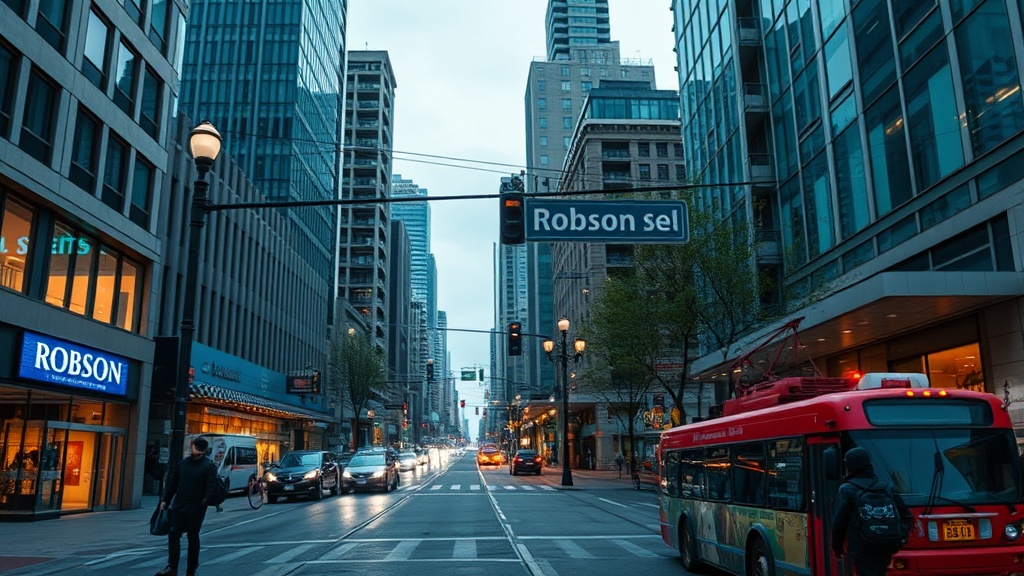
Navigating Robson Street Infrastructure and Public Service Changes

Why local infrastructure matters more than you think
Many people assume that the street layout and public services on Robson Street are permanent fixtures that never change. That's a mistake. Our community evolves through constant shifts in municipal planning, transit accessibility, and public works. Whether it's a new bike lane installation or a change in how the city manages sidewalk maintenance, understanding these shifts is vital for anyone living or working on Robson Street. We aren't just talking about a place to shop; we're talking about the living, breathing infrastructure that supports our daily lives.
When we talk about the physical state of our neighbourhood, we're looking at things like curb appeal, sidewalk width, and how the city handles drainage during our typical West Coast downpours. If you've noticed a change in the way a certain corner looks, it's likely part of a larger municipal plan. Staying informed about these changes helps our community advocate for the resources we actually need, rather than just accepting whatever the city provides without question.
How does the City of Vancouver manage Robson Street transit?
Transit is the backbone of our daily routine. On Robson Street, the interaction between pedestrians, cyclists, and transit vehicles is a delicate balance. The city often implements temporary changes to bus-only lanes or construction-related detours that can disrupt our flow. For example, when heavy machinery or construction crews occupy a segment of the street, it's not just an inconvenience—it's a disruption to our local economy and our ability to get to work or school on time.
If you're looking for real-time updates on transit shifts around our area, we always suggest checking the official TransLink website. Knowing whether a stop has been moved or if a route is being diverted is a key part of living intelligently in this part of the city. We've seen how even small changes in transit signage can lead to confusion for residents, so we keep a close eye on these developments to keep our community ahead of the curve.
What are the current zoning and construction rules?
The skyline of Robson Street is constantly being redefined. You might see scaffolding up on a building or notice that a new development is starting its foundation work. These aren't just random occurrences; they are the results of specific zoning laws and development permits issued by the city. Understanding these rules helps us understand why certain buildings are being renovated and how the density of our neighbourhood is shifting.
One thing to keep in mind is that construction on Robson Street often involves strict noise bylaws and work hours to protect our residential peace. If you're hearing more drilling than usual, it's likely a scheduled project. For detailed information on building permits and what to expect in terms of neighborhood-wide developments, the City of Vancouver development portal is the most reliable source. We believe that being aware of these local shifts makes us better-informed neighbors.
Where can I report a local maintenance issue?
Sometimes the issues are smaller but just as impactful—a broken streetlight, a cracked sidewalk, or a clogged storm drain. On Robson Street, these minor maintenance issues can become safety concerns if left unaddressed. We've learned that the quickest way to get things fixed is to report them directly through the municipal service channels rather than waiting for someone else to do it.
- Sidewalk issues: If a root has lifted the concrete near a storefront on Robson Street, report it to the city immediately to prevent trips.
- Lighting: A dim streetlight can make our streets feel less safe at night; these are easily fixed through a service request.
- Waste Management: If garbage bins are overflowing or a street bin is damaged, it's a direct hit to our local environment.
We treat our street with respect, and that means holding the city accountable for the upkeep of our shared spaces. It's about more than just aesthetics; it's about the functionality of our home.
Why is sidewalk accessibility changing on Robson Street?
Accessibility is a major topic for our community right now. As the city tries to make the area more inclusive, we see changes in how curbs are designed and how much space is left for pedestrians. On Robson Street, this often means a push-and-pull between wanting more greenery and needing wide, clear paths for wheelchairs and strollers. These design choices affect how we move through our neighborhood every single day.
We've noticed that as more bike-friendly infrastructure is added, the way we interact with the street changes. It's not just about a single lane; it's about how the entire ecosystem of Robson Street functions. Whether it's a new curb cut or a temporary barrier, these changes have a ripple effect on how we experience our community. We'll continue to track these developments to ensure our voices are heard as the neighborhood evolves.