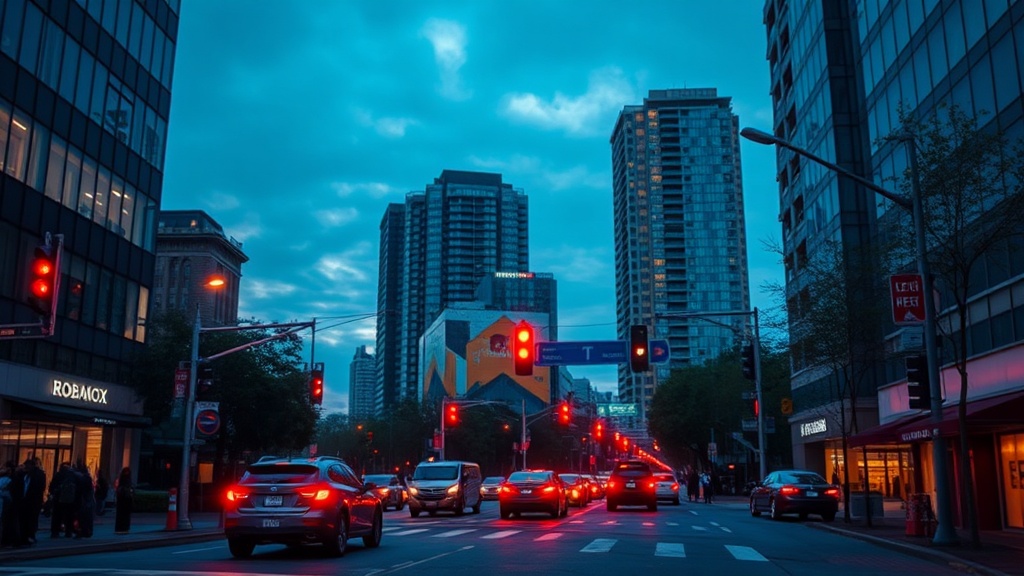
Managing Urban Growth and Infrastructure on Robson Street

Over 60% of the urban development in our immediate vicinity is currently tied to vertical density-driven rezoning. This isn't just about new buildings; it's about how our shared infrastructure—from our sidewalks to our utility grids—handles the increasing load of a growing Robson Street population. We're looking at a fundamental shift in how our street functions as a residential and commercial hub.
Living in the heart of the city means we aren't just spectators to change; we're part of a living, breathing ecosystem that requires constant maintenance. As more high-rise developments break ground near the intersections of Robson Street, the pressure on our municipal services increases. We're seeing a direct correlation between increased residential density and the demand for more efficient waste management, improved lighting, and more resilient drainage systems along the Robson Street corridor.
How does the city handle Robson Street infrastructure updates?
The City of Vancouver manages our street-level services through a variety of specialized departments. For those of us living here, the most visible changes often come through the Vancouver Engineering Services. They handle everything from the street lighting that keeps our sidewalks safe at night to the utility-related construction that occasionally disrupts our commutes. When a new development is proposed near Robson Street, it undergoes a rigorous review process to ensure the existing sewage and electrical grids can handle the load. This is a complex dance of urban planning that often happens behind the scenes, but the results are felt every time we walk past a construction site or notice a new utility pole being installed.
One of the biggest challenges we face is the synchronization of these updates. We can't just install a new bike lane or a new street lamp without considering how it affects the drainage or the pedestrian flow. The city uses data-driven models to predict how many people will be using the Robson Street sidewalks in five or ten years, and they use that to dictate the materials used in our sidewalk repairs. It’s a constant cycle of assessment and reaction.
What are the current zoning changes affecting our neighborhood?
The zoning laws around Robson Street are in a state of flux as the city pushes for more density to combat housing shortages. This means more mid-rise and high-rise buildings are being integrated into our streetscape. While some neighbors might worry about the loss of the historic aesthetic, these changes are part of a broader strategy to create a more walkable, transit-oriented community. The goal is to ensure that as the population grows, we aren't just adding buildings, but also adding the necessary services and accessibility features.
The density increases also bring discussions about public space. As more people move into the newer residential towers, the demand for public amenities—like parklets or wider sidewalks—becomes a central topic in local community meetings. We often see these discussions at the local level, where residents voice concerns about how these new structures will impact the sunlight or the wind patterns on Robson Street. It's a delicate balance between progress and preserving the character that makes our area unique.
Where can residents find information on local construction?
If you've ever wondered why a certain section of our street is blocked off, you aren't alone. Information regarding street closures, utility repairs, and long-term construction projects is often published through official city channels. Keeping an eye on the Vancouver Street and Construction Notices is a great way to stay ahead of any disruptions. This is particularly helpful if you're trying to plan your daily walk or commute along the Robson Street area.
Beyond the official city sites, many of the local neighborhood associations provide updates on how specific developments might affect our immediate surroundings. These groups act as a bridge between the residents and the city planners, ensuring that the local voice is heard during the public hearing process. Being informed is the best way to participate in the evolution of our community.
The Impact on Public Transit and Mobility
As we become a denser community, the way we move through Robson Street must also evolve. The integration of better transit-oriented development means that the city is constantly looking at how to improve bus routes and cycling infrastructure. We've noticed more frequent adjustments to the transit schedules to accommodate the growing number of commuters using the street. This is vital for maintaining the flow of the neighborhood without increasing vehicular congestion.
- Increased Pedestrian Safety: With more people walking the sidewalks, the need for clear, unobstructed pathways is higher than ever.
- Sidewalk Maintenance: The wear and tear from higher foot traffic means that our local maintenance schedules must be more proactive.
- Utility Resilience: The electrical and water infrastructure must be upgraded to support the increased demand from new residential units.
The resilience of our community depends on this ability to adapt. Whether it's a minor repair to a water main or a major rezoning project, the goal is to keep the Robson Street ecosystem functioning smoothly for everyone who calls this place home. We're not just watching a city grow; we're participating in the creation of a more robust, modern urban environment.
For more detailed information on how municipal policies are shaping our area, you can always check the City of Vancouver's Zoning and Development policies. Understanding these rules helps us engage more effectively with the changes happening right outside our doors on Robson Street.